

Iš San Diego į Vilnių: viskas ko reikia žydiškai bibliotekai

Iš San Diego į Vilnių: viskas ko reikia žydiškai bibliotekai


Šiuo metu Lietuvoje nėra labiau daugiakultūrės vietos už naująją biblioteką, kuri gruodžio 16 d. atsidarė šios Baltijos valstybės sostinėje. Mintis paprasta: visos knygos, filmai ir muzika turi būti susiję su žydiškomis temomis, rašytojais ar menininkais.

Steveno Spielbergo filmai nuguls šalia religinių tekstų, knygos apie sinagogas Turkijoje šalia nuotraukų dovanotų bibliotekai, su tokiais aktoriais kaip Leonardas Nimoy, geriau žinomu kaip Spock iš filmo Žvaigždžių kelias (Star treck). Didžioji dalis šios nedidelės parduotuvėlės Vilniuje daiktų bus anglų kalba, tačiau bibliotekoje bus galima rasti rusų, prancūzų bei vokiečių kalbų tekstų. Kalbos, kurias išvysime Vilniaus žydų bibliotekoje yra neribojamos, svarbiausia, jog knygos atitiktų minėtus žydiškus kriterijus.

Įkūrėjas Wymanas Brentas

Unikalioji bibliotekos kolekcija yra 49 metų amerikiečių knygų pardavėjo Wymano Brento, smegenų vaisius. Jis nėra nei žydas, nei turi giminiškų ryšių su Lietuva. Jis yra tiesiog literatūros mylėtojas, kuris prieš septynerius metus savo gimtojo miesto San Diego, Kalifornija, knygyne aptiko amerikiečių rašytojo Harry Kemelmano Rabbi Small seriją. Religingo detektyvo nuotykius pasakojantys romanai buvo labai populiarūs septintajame ir aštuntajame dešimtmečiuose. Nuo tada jo kolekcija ir susidomėjimas knygomis, filmais bei suvenyrais augo, kol supratus, kad turi su tuo ką nors daryti, gimė idėja bibliotekai. 1994 metais pirmą kartą atvykęs į Vilnių ir įsimylėjęs vingiuotas, akmenuotas gatves, gotikines katedras ir turtingą žydų paveldą, Brentas suprato, jog bibliotekai lemta čia būti. 2008 metais Wymanas išsiuntė savo kolekciją į Vilnių  – iš viso apie 4 000 daiktų – ir pradėjo ieškoti, kur ją sudėti. „Ši naujoji biblioteka veiks bet kuriuo atveju”, – sako vertėja ir bibliotekos bibliografė Olya Lempert, lankiusi vienintelę žydų mokyklą Vilniuje. „Tai bus atsitiktinis įvairių daiktų asortimentas arba netyčiom pavirs į gražią kolekciją”.

Kultūros ministerija skyrė bibliotekai dalį pastato Gedimino prospekte, pagrindinėje Vilniaus gatvėje ir 700 000 litų (apie 200 000 eurų arba 166, 813 svarų) paramą. Wymanas, kolekcijai paaukojęs 50 000 dolerių, taps pagrindiniu bibliotekos ambasadoriumi ir kvies įvairius asmenis bei įstaigas dovanoti knygas. „Lietuvos ateičiai yra ypatingai svarbu suvokti, kad esate turtingos ir įvairialypės Europos kultūrinės tradicijos dalis”, – sako kultūros ministras Arūnas Gelūnas. Šis projektas atkurs spalvingos Vilniaus mozaikos dalį. Tai mums padeda suvokti visos mūsų šalies kultūros paveldą”.

Žydai Vilniuje

Iš maždaug 220 000 žmonių, gyvenusių čia prieš Antrąjį pasaulinį karą, Lietuvoje gyvena apie 5 000 žydų (apie 0,1% gyventojų). Vilnius buvo Kewish meno ir kultūros kultūros centras. Žydai daugiau ar mažiau gyveno taikiai su savo kaimynais lietuviais, rusais ir lenkais. Šiandien išliko tik dalis turtingo Lietuvos žydų paveldo ( iš daugelio žydų bibliotekų, veikusių iki Šoa beveik nieko neliko). Vilniaus Gaono žydų muziejaus tolerancijos centras, sunkiai dirba, jog apšviestų Lietuvą apie skaudžią holokausto istoriją, blokuotą sovietmečiu iki kol Lietuva tapo nepriklausoma (trečią kartą savo istorijoje) 1990 metais. Nors iki šiol vyrauja įvairios klaidingos nuomonės tarp lietuvių ir žydų bendruomenių, šie metai paskelbti oficialiais Lietuvos holokausto aukų atminimo metais. Kaip pasakoja Žydų muziejaus holokausto parodos vadovė Rachelė Kostanian, pastaraisiais metais visuomenėje įvyko pastebimas pokytis. „Holokaustas šiek tiek daugiau įsitraukė į žmonių sąmonę”.

Žydiškas gyvenimas Vilniuje yra gana minimalus, pačių liko nedaug, todėl daugiausia jų buriasi aplink žydų bendruomenės centrą. Įsikūręs gražiame, sename pastate, kur anksčiau buvo žydų tarbut mokykla, bendruomenės nariai renkasi mokytis jidiš kalbos – beveik pamirštos kalbos, kuria plačiai kalbėta prieš karą. Centras taip pat organizuoja šokių vakarus ir išvykas į kaimą jauniesiems moksleiviams. Jaunimo grupės organizatorius Valentinas kilęs iš mišrios šeimos – jo tėvas yra žydas, o motina – rusė. Vis dėlto jis tvirtai identifikuoja savo žydišką kilmę, ant hasa rankos (populiarus žydų sėkmės simbolis) suplanavęs tatuiruotę, kurią mums išdidžiai parodo.

Bendroji parama

Valentinas nėra bibliotekų gerbėjas, tačiau džiaugiasi naujuoju atidarymu ir žada apsižvalgyti. Panašiai ir platesnė žydų bendruomenė palaiko naująją biblioteką, nors kai kurie uostamiesčio gyventojai abejoja, manydami, jog valdžia manipuliuoja naujuoju projektu, diktuodama, kas bus kolekcijoje arba norėdama parodyti Vakarų pasauliui, ką Lietuva daro dėl prarastojo paveldo. „Vien dėl to, kad žydė parašė knygą apie sodininkystę, dar nereiškia, jog ji neprisideda prie žydiškosios kultūros”, – pastebi žydų muziejaus bibliotekos vyriausioji bibliotekininkė Rosa Levitaitė. „Tai labiau užsienio kalbų biblioteka.” Wymanas neginčija šio fakto. Jis tikisi pritraukti žmonių, kurie taip pat nori mokytis kitų kalbų, žiūrėti filmus (pvz., 1953 m. Pasaulių karas, čia tinkamas dėl to, kad jo žvaigždė Gene Barry yra žydų kilmės) ir dalyvauti pokalbiuose. „Ši biblioteka skirta ne tik žydų bendruomenei, ji skirta visiems. Noriu, kad žmonės žinotų kaip žydai prisidėjo prie pasaulio”.

Ar apskritai yra žydų kultūros poreikis? „Biblioteka turi tai, kas gali pritraukti jaunus žmones, ypač jei jie rengia renginius, parodas ar susitikimus su įdomiais žmonėmis”, – sako kino dramaturgijos studentė Teklė Kavtaradzė. Olya Lempert eis pažiūrėti, ką Brentas surinko. „Tikimės, kad tai pritrauks teigiamo dėmesio, o lankytojai norės toliau gilintis”, – sako ji. Tai ir yra esmė. Wymanas bibliotekoje žada reklamuoti visas žydų kultūros įstaigas ir tikisi, kad žmonės užmegs teigiamus ryšius, taip pat kaip ir jis prieš randant Rabbi Small knygą. ,,Perskaičiau tą knygą ir tik pažvelkit kur esu šiandien, po septynerių metų. Niekada negali žinoti, ką žmonės sau suras bibliotekoje”.

AUTHOR Sonia Zhuravlyova, VERTĖJA Urtė Alksninytė

Leave a Reply

Your email address will not be published. Required fields are marked *

De San Diego a Vilna: Un americano abre una biblioteca judía en Lituania

De San Diego a Vilna: Un americano abre una biblioteca judía en Lituania

No existe ahora mismo nada más multicultural en Lituania que la nueva librería judía que abrió en la capital de este estado báltico en diciembre. El concepto es simple: todos los libros, películas y música deben tratar sobre temas, escritores o artistas judíos. La biblioteca abrió sus puertas el 16 de diciembre de 2011.

Películas de Steven Spielberg se encontrarán al lado de textos religiosos, libros sobre sinagogas en Turquía y fotografías donadas a la biblioteca, como la que hizo el actor Leonard Nimoy, más conocido por su papel de Spock en Star Trek (1966). La mayoría de los artículos en esta pequeña tienda en Vilna estarán en inglés, pero la biblioteca también contará con textos en ruso, francés y alemán. No hay límites respecto a qué lenguas puede albergar la biblioteca, siempre y cuando el libro se adhiera a los criterios judíos.

Wyman Brent, el fundador

La excepcional colección de la biblioteca fue creación del librero americano Wyman Brent, de 49 años. Ni es judío ni tiene lazos familiares con Lituania. Es, simplemente, un amante de la literatura que, hace siete años, se encontró un libro de la colección de Harry Kemelman sobre el rabino Small en una librería en su ciudad natal, San Diego, California. Las novelas siguen las aventuras de un detective religioso y fueron muy populares en los años 60 y 70. Desde aquí, su interés y su colección de libros, películas y objetos de interés creció hasta que se dio cuenta de que debía hacer algo con ellos. La idea de la biblioteca había nacido. Brent vino por primera vez a Vilna en sus viajes en 1994 y se enamoró de sus calles sinuosas y adoquinadas, sus catedrales góticas y su rica herencia judía y supo que la biblioteca pertenecía a este lugar. En 2008, Wyman mandó por barco su colección a Vilna (alrededor de 4.000 artículos en total) y empezó a buscar algún lugar donde colocarla. “Esta biblioteca nueva puede salir bien o mal,” dice Olya Lempert, una traductora y bibliógrafa de biblioteca que asistió a la única escuela judía en Vilna. “Será o bien un surtido tonto de todo tipo de cosas o bien puede llegar a recopilarse accidentalmente una buena colección.”

0aa185c9d4feb4351047e245fa00771d

El ministerio de cultura ha dado a biblioteca parte de un edificio en Gediminas Avenue, el principal bulevar en Vilna, y una subvención de 700.000 litas (alrededor de 200.000 euros). Wyman, que gastó 50.000 dólares de su propio bolsillo en la colección, pasará a ser embajador extraordinario de la biblioteca e invitará a individuos e instituciones a donar libros. Arunas Gelunas, el ministro de cultura declara: “Para el futuro de Lituania es sumamente importante ser consciente de pertenecer a una rica y diversa tradición en la cultura europea. Este proyecto restaurará parte del colorido mosaico de Vilna. Esto nos ayuda a percibir la herencia cultural de nuestro país en toda su dimensión”.

Judíos en Vilna

Unos 5.000 judíos viven en Lituania (aproximadamente un 0,1% de la población) de los alrededor de 220.000 que vivían aquí antes de la Segunda Guerra Mundial. Vilna fue un centro cultural de arte y cultura judíos y los judíos vivían más o menos en paz con sus vecinos lituanos, rusos y polacos. Hoy en día solo queda una fracción de la rica herencia judía de Lituania (y no queda casi nada de las muchas bibliotecas judías que estaban en funcionamiento antes del Holocausto). El Museo Judío Estatal Vilna Gaon y su asociado, el centro de tolerancia, trabajan duro para educar a Lituania acerca de la dolorosa historia del Holocausto, el conocimiento completo de lo que fue bloqueado por la Unión Soviética hasta que Lituania se independizó en el años 1990. Aunque aún perduran muchas ideas falsas entre los lituanos y las comunidades judías hasta la fecha, este año se ha denominado oficialmente “año de recuerdo a las víctimas del Holocausto en Lituania”. Rachelė Kostanian, directora de la exposición sobre el Holocausto en el Museo Judío dice que ha habido un notable cambio en la sociedad en los últimos años. “El Holocausto ha calado en las conciencias de la gente un poco más”.

La vida judía en Vilna es bastante reducida, debido a que quedan muy pocos judíos, y ésta gira en torno al centro comunitario judío. Situado en un antiguo edificio grandioso y encantador que fue antiguamente un colegio hebreo “Tarbut”, en él los miembros de la comunidad se reúnen para aprender yidish, una lengua casi olvidada que se hablaba mucho antes de la guerra. El centro organiza también noches de baile y viajes al campo para jóvenes escolares. El organizador de grupos juveniles, Valentin, viene de una familia mixta: su padre es judío mientras que su madre es rusa. Aun así se identifica totalmente con su origen judío, hasta el punto de que se ha diseñado su propio tatuaje de la mano Jamsa (un símbolo popular judío de buena suerte) en el antebrazo y lo muestra con orgullo.

Entre el apoyo y el desacuerdo

Valentin no es un aficionado de las bibliotecas pero se alegra de esta nueva apertura y promete ir a echar un vistazo. De igual modo, la mayoría de la comunidad judía apoya la nueva biblioteca aunque algunos albergan temores sobre si este nuevo proyecto podría ser manipulado por el gobierno ya sea imponiendo lo que debería tener su colección o usándolo para mostrar al mundo occidental que Lituania está haciendo algo acerca de su herencia perdida. “Solo porque una mujer judía haya escrito un libro sobre jardinería no significa que añada nada a la cultura judía,” comenta la bibliotecaria jefe de la biblioteca del Museo Judío, Rosa Levitaite. “Es más bien una biblioteca de lenguas extranjeras.” Wyman no cuestiona este hecho. Espera atraer a personas que también deseen aprender otros idiomas y les gustaría ver películas (como La guerra de los mundos, incluida en la colección porque una de sus estrellas, Gene Barry, es de origen judío) y asistir a charlas. “Esta biblioteca no es solo para la comunidad judía, es para todos. Quiero que la gente conozca la contribución que los judíos han hecho al mundo.”

Pero, ¿hay mucha demanda de cultura judía entre los lituanos? “La biblioteca tiene algo que puede ser enigmático para los jóvenes, especialmente si se acogen eventos, exposiciones o reuniones con gente interesante,” dice Teklė Kavtaradzė, estudiante de escritura de guiones. Olya Lempert irá a ver lo que se ha reunido. “Con algo de suerte atraerá atención positiva y los visitantes querrán investigar más,” dice. Y ése es el objetivo. Wyman promete promocionar todas las instituciones culturales judías en la biblioteca y espera que la gente tenga contactos positivos, como el que él tuvo hace tantos años cuando cogió el libro del rabino Small. “Leí ese libro y mírame ahora siete años después. Nunca se sabe lo que los visitantes podrían encontrar en la biblioteca para sí mismos.”

AUTOR Sonia Zhuravlyova, TRADUCTOR Cristina Rodriguez

Leave a Reply

Your email address will not be published. Required fields are marked *

De San Diego à Vilnius : une médiathèque juive en Lituanie

De San Diego à Vilnius : une médiathèque juive en Lituanie

Actuellement, il n’y a rien de plus multiculturel en Lituanie que la nouvelle médiathèque juive qui a ouvert ses portes en décembre dans la capitale de cet état balte. Le concept est simple : tous les livres, films et disques doivent traiter une thématique juive ou provenir d’auteurs juifs.

Les films de Steven Spielberg y côtoient des textes religieux, des ouvrages sur les synagogues de Turquie et des photographies cédées à la médiathèque, telles que celles prises par l’acteur Leonard Nimoy, mieux connu pour avoir joué Spock dans Star Trek. La plupart des œuvres proposées seront en anglais, mais on y trouvera aussi des textes russes, français et allemands. Le nombre de langues proposées n’est pas limité, pour autant que les ouvrages adhèrent au critère requis.

Le fondateur : Wyman Brent

La collection unique de la médiathèque est le bébé du libraire américain Wyman Brent, 49 ans qui n’est pourtant pas juif et n’a pas non plus d’attache familiale avec la Lituanie. C’est tout simplement un amateur de littérature qui, il y a sept ans, est tombé sur un livre d’Harry Kemelmann de la série du rabbin Small dans une librairie de sa ville natale, San Diego en Californie. Cette série de romans relatant les aventures d’un détective religieux était très populaire dans les années 60 et 70. A partir de ce moment-là, son intérêt et sa collection de livres, films et souvenirs n’a cessé de croître jusqu’au moment où il réalisa qu’il souhaitait en faire quelque chose. L’idée de la médiathèque était née.

0aa185c9d4feb4351047e245fa00771d

Lorsqu’il avait visité Vilnius pour la première fois lors d’un voyage en 1994, il était tombé amoureux de ses sinueuses rues pavées, de ses cathédrales gothiques et de son riche héritage juif. Brent a donc su que c’était cette ville qui accueillerait sa médiathèque. En 2008, Wyman y envoya l’ensemble de sa collection constituée d’environ 4 000 articles et se mit en quête d’un endroit. « Cette nouvelle médiathèque réussira d’une manière ou d’une autre » déclara Olya Lempert, traductrice et bibliographe ayant fréquenté la seule école juive de Vilnius. « Soit ce sera un mélange hétéroclite de toutes sortes d’objets, soit ces objets se compileront accidentellement pour former une belle collection. »

Le ministre de la Culture a mis à disposition de la médiathèque un local dans un immeuble situé sur l’avenue Gediminas, boulevard principal de Vilnius, ainsi qu’un montant de 700 000 litas (environ 200 000 euros). Wyman, qui a investi 50 000 dollars de fonds personnels dans la collection, va devenir l’ambassadeur itinérant de la médiathèque et invitera des particuliers et des institutions à faire des donations de livres. Le ministre de la Culture, Arunas Gelunas, a déclaré : « Pour l’avenir de notre pays, il est extrêmement important que les Lituaniens soient conscients d’appartenir à une tradition riche et diversifiée de la culture européenne. Ce projet contribuera à restaurer une partie de la mosaïque colorée de Vilnius et à percevoir l’héritage culturel de notre pays dans toute son étendue. »

Les juifs de Vilnius

Sur les 200 000 Juifs vivant en Lituanie avant la seconde guerre mondiale, il en reste aux alentours de 5 000 (environ 0,1% de la population). A l’époque, Vilnius était le foyer culturel de l’art et de la culture juifs et les Juifs y vivaient plus ou moins en paix avec leurs voisins lituaniens, russes et polonais. Actuellement, il ne reste plus qu’une fraction du riche héritage juif de Lituanie (et presque plus rien des nombreuses bibliothèques juives présentes avant la Shoah). Le Musée juif, Vilna Gaon, de Vilnius et son annexe, le Centre de la Tolérance, travaillent dur pour sensibiliser les Lituaniens sur l’histoire douloureuse de l’holocauste, dont la pleine connaissance était largement prohibée par l’Union soviétique avant que la Lituanie ne devienne indépendante en 1990. Bien que de nombreux malentendus persistent encore entre les Lituaniens et les communautés juives, cette année a été déclarée officiellement « l’année du souvenir des victimes de l’holocauste en Lituanie. » Comme l’a déclaré Rachelé Kostanian, conservatrice de l’exposition sur l’holocauste du Musée juif, un changement remarquable s’est opéré dans la société ces dernières années. « Les gens ont pris un peu plus conscience de l’holocauste. »

Les Juifs de Vilnius étant si peu nombreux, leur activité est minime à Vilnius et tourne avant tout autour du centre communautaire juif. Situé dans une belle et majestueuse bâtisse ancienne qui abritait auparavant une école hébraïque du mouvement Tarbut, il offre aux membres de la communauté des cours de yiddish, une langue presque oubliée qui était largement parlée avant la guerre. Le centre organise également des soirées dansantes et des excursions à la campagne pour les écoliers. L’organisateur du groupe de jeunes, Valentin, est issu d’une famille mixte – son père est juif alors que sa mère est russe. Il s’identifie cependant fortement à son milieu juif, à tel point qu’il a dessiné lui-même le tatouage de la main de Hamesh (un symbole juif populaire porte-bonheur) qu’il porte sur son avant-bras et montre avec fierté.

Soutien général

Valentin n’est pas un grand amateur de médiathèques, mais il se réjouit de la nouvelle ouverture et promet d’y jeter un coup d’œil. La communauté juive élargie apporte également son soutien à la médiathèque, malgré le fait que certains soupçonnent le gouvernement de manipuler le projet, soit en dictant le contenu de la collection, soit en l’utilisant pour montrer au monde occidental que la Lituanie agit en faveur de son héritage perdu. « Ce n’est pas parce qu’une dame juive écrit un livre sur le jardinage que cela ajoute quelque chose à la culture juive », fait remarquer Rosa Levitaite, bibliothécaire en chef de la bibliothèque du Musée juif. « Il s’agit plus d’une médiathèque pour les langues étrangères. » Wyman ne conteste pas ce fait. Il espère attirer des gens qui souhaitent aussi apprendre d’autres langues, visionner des films (tels que la Guerre des Mondes, dont l’acteur principal, Gene Barry, est d’origine juive) et assister à des exposés. « Cette médiathèque n’est pas seulement destinée à la communauté juive, elle est pour chacun. Je veux que les gens connaissent la contribution des Juifs à notre monde. »

Y a-t-il encore beaucoup de demande pour la culture juive parmi les Lituaniens ? « La médiathèque peut attirer les jeunes, en particulier si elle organise des événements, des expositions ou des rencontres avec des gens intéressants » déclare Teklé Kavtaradzé, un étudiant scénariste. Olya Lempert, qui va aller la visiter espère que cette médiathèque va attirer une attention positive et inciter les visiteurs à aller plus loin dans leurs recherches. Et c’est ça le but. Wyman promet de promouvoir toutes les institutions culturelles juives dans la médiathèque et espère que les gens feront des connexions positives, comme lui lorsqu’il tomba sur le livre du rabbin Small il y a des années de cela. « J’ai lu ce livre et me suis vu sept ans plus tard. On ne sait jamais ce que les gens peuvent trouver pour eux-mêmes dans une médiathèque. »

AUTEUR Sonia Zhuravlyova, TRADUCTEUR Daisy Maglia

Leave a Reply

Your email address will not be published. Required fields are marked *

Von San Diego nach Vilnius: Eine Jüdische Bibliothek für Litauen

Von San Diego nach Vilnius: Eine Jüdische Bibliothek für Litauen

Derzeit gibt es keine kulturell vielfältigere Einrichtung in Litauen als die jüdische Bibliothek, die im Dezember 2011 in der Hauptstadt des baltischen Landes eröffnet wurde. Das Konzept ist einfach: alle Bücher, Filme und die Musik müssen entweder von einem jüdischen Thema handeln oder von einem jüdischen Schriftsteller oder Künstler stammen.

Filme von Steven Spielberg werden sich die Regale mit religiösen Texten, Büchern über Synagogen in der Türkei und den der Bibliothek gestifteten Fotografien teilen, beispielsweise denen des Schauspielers Leonard Nimov, der für seine Rolle des Spock in Star Treck bekannt ist. Die meisten Medien in diesem kleinen Laden in Vilnius werden in englischer Sprache sein, aber die Bibliothek wird auch Texte auf Russisch, Französisch und Deutsch umfassen. Es gibt keine Vorgaben, welche Sprachen in der Vilnius Jewish Library vorkommen dürfen, solange die Bücher die jüdischen Kriterien erfüllen.

Gründer Wyman Brent

Die einzigartige Sammlung der Bibliothek war das geistige Kind des amerikanischen Buchhändlers Wyman Brent, 49. Er ist weder Jude, noch liegen seine familiären Wurzeln in Litauen. Er ist ganz einfach ein Literaturliebhaber, der vor sieben Jahren in einem Buchladen seiner Heimatstadt San Diego, Kalifornien, auf die Rabbi Small-Serie von Harry Kemelman stieß. Die Romane erzählen die Abenteuer eines religiösen Detektivs und waren in den 1960er und 70er Jahren sehr beliebt. Von da an wuchs Brents Sammlung von Büchern, Filmen und Memorabilia an, bis ihm klar wurde, dass er damit irgendetwas machen musste. Die Idee der Bibliothek war geboren.

0aa185c9d4feb4351047e245fa00771d

Nachdem er im Jahr 1994 zum ersten Mal nach Vilnius gekommen war und sich in die gewundenen Kopfsteinpflasterstraßen, die gotischen Münster und das reiche jüdische Erbe verliebt hatte, wusste Brent, dass die Bibliothek dort ihren Platz hatte. 2008 schickte Wyman seine Sammlung – insgesamt ca. 4 000 Medien – nach Vilnius und begann, nach einem Aufbewahrungsort zu suchen. „Es gibt zwei Möglichkeiten, was mit dieser neuen Bibliothek geschehen kann“, sagt die Übersetzerin und Bibliografin Olya Lempert, die die einzige jüdische Schule in Vilnius besucht hat. „Entweder wird sie ein aberwitziges Sammelsurium oder sie entwickelt sich ganz zufällig zu einer schönen Sammlung.“

Das Ministerium für Kultur hat der Bibliothek Teile eines Gebäudes auf der Gediminas-Straße und einen Zuschuss von 700.000 Litas (ca. 200.000 Euro) zur Verfügung gestellt. Wyman, der selbst 50.000 US-Dollar in die Sammlung gesteckt hat, wird Sonderbotschafter der Bibliothek und wird Personen und Einrichtungen dazu auffordern, Bücher zu spenden. Arunas Gelunas, der litauische Minister für Kultur, sagt: „Für die Zukunft Litauens ist es sehr wichtig, sich bewusst zu machen, dass wir ein Teil der reichen und vielfältigen Tradition der europäischen Kultur sind. Dieses Projekt wird einen Teil des vielfarbigen Mosaiks, das Vilnius einmal war, wieder herstellen. Das wird uns dabei helfen, das kulturelle Erbe unseres Landes in seiner ganzen Bandbreite wahrzunehmen.“

Jüdische Kultur in Vilnius

Heute leben rund 5.000 Juden in Litauen (ca. 0,1% der Gesamtbevölkerung); vor dem Zweiten Weltkrieg waren es noch etwa 220.000. Vilnius war ein kulturelles Zentrum für jüdische Kunst und Kultur, und Juden lebten mehr oder weniger friedlich mit ihren litauischen, russischen und polnischen Nachbarn zusammen. Heute ist nur noch ein Bruchteil des reichen kulturellen Erbes übrig (und so gut wie nichts von den vielen jüdischen Bibliotheken, die es vor der Shoah gab). Das Staatliche Jüdische Gaon-von-Vilnius-Museum und seine Partnereinrichtung, das Zentrum für Toleranz, setzen sich dafür ein, die Litauer über die schmerzvolle Geschichte des Holocaust aufzuklären, die bis zur Unabhängigkeit Litauens im Jahr 1990 von der Sowjetunion größtenteils geheim gehalten wurde. Auch wenn es bis heute zwischen der litauischen und jüdischen Gemeinde nach wie vor viele Missverständnisse gibt, wurde dieses Jahr offiziell zum ‘Jahr der Erinnerung an die Opfer des Holocaust in Litauen’ ausgerufen. Als Kuratorin der Holocaust-Ausstellung im Jüdischen Museum erzählt Rachelė Kostanian, dass sich seit wenigen Jahren in der Gesellschaft ein spürbarer Wandel vollzieht. „Der Holocaust ist etwas stärker in das Bewusstsein der Menschen gerückt.“

Da es nur noch wenige Juden gibt, ist das jüdische Leben in Vilnius marginal und spielt sich hauptsächlich rund um das jüdische Gemeindezentrum ab. Das Zentrum ist in einem schönen, prächtigen, alten Gebäude untergebracht, das früher eine hebräische Tarbut-Schule beherbergte. Hier versammeln sich Mitglieder der Gemeinde, um Jiddisch zu lernen, jene beinahe vergessene Sprache, die vor dem Krieg weithin gesprochen wurde. Das Zentrum organisiert auch Tanzveranstaltungen und Ausflüge aufs Land für jüngere Schulkinder. Der Jugendgruppenleiter Valentin entstammt einer gemischten Familie: sein Vater ist Jude, seine Mutter Russin. Er identifiziert sich jedoch so stark mit seinen jüdischen Wurzeln, dass er sich sogar eine selbst entworfene Hand der Miriam (ein beliebtes jüdisches Glückssymbol) auf den Unterarm hat tätowieren lassen, die er stolz zeigt.

Allgemeine Unterstützung

Valentin ist kein großer Freund von Bibliotheken, freut sich aber über die Neueröffnung und verspricht, mal vorbeizuschauen. Auch die jüdische Gemeinde im Allgemeinen unterstützt die neue Bibliothek, obwohl einige Bedenken haben, das neue Projekt könnte von der Regierung manipuliert werden, entweder durch Vorgaben dazu, was in die Sammlung aufgenommen wird, oder indem es als Vorzeigeprojekt für die westliche Welt benutzt wird, das bezeugen soll, wie sich Litauen um sein verlorenes Erbe kümmert. „Die jüdische Kultur wird nicht automatisch dadurch reicher, dass eine jüdische Dame ein Buch über das Gärtnern geschrieben hat“, bemerkt die Bibliothekarin des Jüdischen Museums, Rosa Livaite. „Es handelt sich eher um eine fremdsprachliche Bibliothek.“ Wyman bestreitet diese Tatsache nicht. Er hofft darauf, auch Menschen anzulocken, die Fremdsprachen lernen möchten oder gerne Filme sehen (wie etwa Krieg der Welten, der seine Aufnahme in die Sammlung den jüdischen Wurzeln des Hauptdarstellers Gene Barry verdankt) und Vorträge besuchen. „Diese Bibliothek ist nicht allein für die jüdische Gemeinde bestimmt, sondern für alle. Ich möchte, dass die Leute wissen, welchen Beitrag Juden zur Weltkultur geleistet haben.“

Besteht bei den Litauern überhaupt Interesse an jüdischer Kultur? „Die Bibliothek bietet etwas, das junge Menschen anziehen könnte, vor allem wenn Veranstaltungen, Ausstellungen oder Treffen mit interessanten Personen angeboten werden“, so der Drehbuch-Student Teklė Kavtaradzė. Olya Lempert wird sich ansehen gehen, was dort zusammengetragen wurde. „Hoffentlich wird die Bibliothek Interesse wecken und Besucher wollen weiter forschen“, sagt sie. Und das genau ist die Idee. Wyman verspricht, alle jüdischen Kultureinrichtungen in der Bibliothek zu fördern, und hofft, dass Leute eine positive Verbindung knüpfen werden, wie er es vor vielen Jahren getan hat, als er zu einem Rabbi Small-Buch griff. „Ich habe dieses Buch gelesen, und sehen Sie, was sieben Jahre später aus mir geworden ist. Man weiß nie, was Leute in der Bibliothek für sich entdecken werden.“

AUTOR Sonia Zhuravlyova, ÜBERSETZUNG Barbara Canton

Leave a Reply

Your email address will not be published. Required fields are marked *

Da San Diego a Vilnius: una biblioteca ebraica in Lituania

Da San Diego a Vilnius: una biblioteca ebraica in Lituania

Non c’è nulla di più multiculturale oggi in Lituania che la nuova biblioteca ebraica (che è anche mediateca e libreria), che a dicembre ha aperto i battenti nella capitale dello stato baltico. L’idea è semplice: tutti i libri, i film e la musica devono riguardare un soggetto ebraico, uno scrittore o un artista ebreo.

I film di Steven Spielberg dorso a dorso con testi religiosi, libri sulle sinagoghe in Turchia accanto a fotografie donate alla biblioteca, come ad esempio gli scatti dell’attore Leonard Nimoy, famoso per aver interpretato Spock in Star Trek. La maggior parte delle opere proposte (anche in vendita) saranno in inglese, ma la biblioteca custodirà anche testi in lingua russa, francese e tedesca. Non c’è limite alle lingue, l’importante è che il testo si attenga ai criteri ebraici.

Wyman Brent, il fondatore

La collezione unica di questa biblioteca è una creazione del quarantanovenne libraio americano Wyman Brent. Brent non è ebreo e non ha legami familiari con la Lituania. È semplicemente un amante della letteratura che, sette anni fa, in una libreria della sua città natale San Diego in California, si imbatté in un libro della serie del rabbino Rabbi Small, nato dalla mente di Harry Kemelman. I romanzi narrano le avventure di un detective religioso e negli anni ’60 e ’70 erano molto in voga. Da lì in poi, il suo interesse e la sua collezione di libri, film e memorabilia crebbero fino al punto in cui si rese conto che doveva farne qualcosa. Così nacque l’idea della biblioteca. Essendo già venuto a Vilnius nel 1994 durante i suoi viaggi ed essendosi innamorato delle sue strade sinuose e lastricate, delle sue cattedrali gotiche e della ricca eredità ebraica, Brent sapeva che questo era il luogo giusto. Nel 2008 spedì la sua collezione a Vilnius – circa 4.000 testi in tutto – e iniziò a guardarsi intorno alla ricerca di un luogo adeguato dove collocarla. «Questa nuova biblioteca può sortire due effetti», afferma Olya Lempert, traduttrice e bibliografa bibliotecaria che frequentò l’unica scuola ebraica di Vilnius, «può risultare un assortimento insulso di ogni tipo di oggetto, o può accidentalmente trasformarsi in una graziosa collezione».

0aa185c9d4feb4351047e245fa00771d

Il ministero della cultura ha messo a disposizione della biblioteca parte di uno stabile su viale Gedimino, l’arteria più grande a Vilnius, e una sovvenzione di 700.000 litas (circa 200.000 euro). Wyman, che vi ha investito 50.000 $ di tasca propria, sarà ambasciatore itinerante della biblioteca e inviterà singoli ed istituzioni a donare libri. Secondo Arunas Gelunas, ministro della cultura, «è estremamente importante per il futuro della Lituania coltivare la coscienza di essere parte di una ricca e variegata tradizione della cultura europea. Questo progetto restituirà alla vita parte del variopinto mosaico di Vilnius. Ciò permette una percezione ad ampio raggio dell’eredità culturale della nostra nazione».

Gli ebrei a Vilnius

In Lituania vivono oggi circa 5.000 ebrei (circa lo 0,1 % della popolazione), quel che rimane dei 200.000 che vivevano qui prima della Seconda guerra mondiale. Vilnius era un centro d’arte e di cultura ebraica e la convivenza con i vicini lituani, russi e polacchi era perlopiù pacifica. Oggi, della ricca eredità ebraica della Lituania è rimasta soltanto una minima parte (e pochissimo delle molte biblioteche ebraiche in funzione prima della Shoah). Il museo ebraico statale del Gaon di Vilna ed il suo affiliato, il Centro di Tolleranza, lavorano alacremente per diffondere in Lituania la conoscenza della dolorosa storia dell’Olocausto, ostacolata  in larga misura dall’Unione Sovietica fino al 1990, anno in cui la Lituania divenne uno stato indipendente.

Nonostante sussistano a tutt’oggi alcuni fraintendimenti tra le comunità ebraiche lituane, quest’anno è stato indetto l’ “anno ufficiale della memoria per le vittime dell’Olocausto in Lituania”. Direttrice della mostra sull’Olocausto presso il Museo Ebraico, Rachelė Kostanian è certa negli ultimi anni qualcosa sia cambiato: «L’olocausto è penetrato un po’ di più nelle coscienze delle persone».

La vita della comunità ebraica a Vilnius è ridotta al minimo poiché ne sono rimasti soltanto pochi esponenti, e orbita soprattutto attorno al Centro della Comunità Ebraica. In un magnifico edificio d’epoca, che precedentemente ospitava la scuola ebraica “Tarbut”, i membri della comunità si ritrovano per studiare lo Yiddish, una lingua pressoché dimenticata ma largamente diffusa prima della guerra. Il centro organizza anche serate danzanti ed escursioni fuori porta per gli scolari. Il referente del gruppo giovanile, Valentin, proviene da una famiglia mista: suo padre è ebreo e sua madre è russa. Ciononostante percepisce come forte l’appartenenza al retroterra ebraico, fino al punto di tatuarsi sull’avambraccio la mano di Hamesh (popolare simbolo ebraico indicante buona fortuna), che mostra con orgoglio.

Tutti d’accordo

Valentin non è un fan delle biblioteche, ma è contento della nuova apertura e promette di andare a dare un’occhiata. Allo stesso modo la più vasta comunità ebraica sostiene la nuova biblioteca, sebbene con alcune perplessità: questo nuovo progetto rischia di essere manipolato dal governo, sia mediante l’imposizione di ciò che deve essere contenuto nella collezione, sia usandola per dimostrare al mondo occidentale che la Lituania sta facendo qualcosa per la sua eredità perduta. «Se una signora ebrea ha scritto un libro sul giardinaggio, ciò non significa che la sua operi entri di diritto nel bagaglio culturale ebraico», sottolinea la direttrice della biblioteca del museo ebraico, Rosa Levitaite. «Per me, si tratta soprattutto di una libreria di letteratura straniera». Wyman Brent non nega questo aspetto. Spera infatti di attrarre persone che desiderano anche imparare nuove lingue, che vogliano guardare film (come La guerra dei Mondi, presente nella collezione poiché la star Gene Barry è di origine ebraica) e partecipare a dibattiti. «Questa biblioteca non è soltanto per la comunità ebraica, è per chiunque. Desidero che la gente sappia del contributo che gli ebrei hanno portato al mondo.»

C’è maggiore domanda di cultura ebraica tra i lituani? «La biblioteca offre qualcosa che potrebbe affascinare i giovani, a maggior ragione se ospita eventi, mostre o incontri con personaggi interessanti», afferma Teklė Kavtaradzė, studente di cinema. Wyman promette di coinvolgere tutte le istituzioni culturali ebraiche e auspica che la biblioteca ispiri creatività e nuove scoperte nei lettori, come accadde a lui molti anni prima, quando prese in mano il libro di Rabbi Small. «Ho letto quel libro ed eccomi qui sette anni dopo. Non si sa mai cosa le persone potrebbero trovare in una biblioteca».

AUTORE Sonia Zhuravlyova, TRADUTTORE I.Per

Leave a Reply

Your email address will not be published. Required fields are marked *

Z San Diego do Wilna: wszystko, czego potrzeba żydowskiej bibliotece na Litwie

Z San Diego do Wilna: wszystko, czego potrzeba żydowskiej bibliotece na Litwie

Nie ma w tej chwili w tym nadbałtyckim państwie bardziej multikulturowego miejsca od otwartej 16 grudnia br. biblioteki żydowskiej. Idea jest prosta: wszystkie zbiory – czy to książki, filmy, czy muzyka – muszą dotyczyć twórców żydowskiego pochodzenia lub aspektów kultury żydowskiej.

Filmy Stevena Spielberga znajdą się w niej tuż obok tekstów religijnych, książek o tureckich synagogach oraz podarowanych bibliotece fotografii, jak chociażby tych autorstwa aktora Leonarda Nimoya – szerzej znanego jako oficerSpock z serii Star Trek. Większość woluminów dostępna będzie w języku angielskim, choć znajdziemy tam również teksty po rosyjsku, francusku i niemiecku. Nie ma zresztą żadnych ograniczeń, jeśli chodzi o język – jedynym warunkiem znalezienia danej pozycji w kolekcji żydowskiej biblioteki w Wilnie jest tematyka żydowska.

Wyman Brent, założyciel

Tę wyjątkową kolekcję zawdzięczamy Wymanowi Brentowi, amerykańskiemu księgarzowi. Ten pozbawiony litewskich korzeni goj, którego miłością jest literatura, siedem lat temu w rodzinnym San Diego (Kalifornia) natknął się w księgarni na kryminał z serii o przygodach Rabina Smalla (jeden z popularnych w latach 60. i 70. kryminałów autorstwa Harry’ego Kemelmana). Coś zaskoczyło. Zainteresowanie tematyką rosło, a wraz z nim zbiory książek, filmów i różności, do momentu, w którym Brent zorientował się, że coś trzeba z tym zrobić. Tak zrodziła się myśl, by stworzyć bibliotekę.

0aa185c9d4feb4351047e245fa00771d

Mając w pamięci swą wizytę w Wilnie z 1994 r. i uroki miasta – kręte, brukowane uliczki, katedry gotyckie, bogatą spuściznę kultury żydowskiej – Brent miał pewność, że to właśnie tam było miejsce jego biblioteki. W 2008 przetransportował swą kolekcję – liczącą około 4000 pozycji – i zaczął rozglądać się za odpowiednią lokalizacją. „Ten pomysł może zadziałać w dwojaki sposób” – mówi Olya Lempert, tłumaczka, bibliografka, która uczęszczała do jedynej w Wilnie szkoły żydowskiej. „Albo skończy jako cudaczny zbiór rozmaitości wszelkiej maści, albo też zdarzy się tak, że stworzy interesującą, zróżnicowaną kolekcję”.

Ministerstwo Kultury podarowało bibliotece część budynku przy Prospekcie Giedymina, głównej ulicy Wilna, oraz wsparło ją dotacją w wysokości 700.000 litów (około 200 tys. euro lub 915 tys. zł). Wyman, który przeznaczył na swe zbiory blisko 50.000 dolarów, zostanie mianowany ambasadorem biblioteki, będzie też zachęcał osoby prywatne oraz instytucje do dotacji książek. Arunas Gelunas, minister kultury, mówi: „To bardzo ważne dla przyszłości Litwy, byśmy byli świadomi swego udziału w bogatej i zróżnicowanej tradycji kulturowej Europy. Ten projekt pomoże przywrócić kolor bogatej mozaice Wilna. Pozwoli nam docenić dziedzictwo kulturowe kraju w całej jego krasie”.

Żydzi w Wilnie

Spośród około 220.000 Żydów, zamieszkujących Litwę przed drugą wojną światową, ostało się tu ich z grubsza 5000 (stanowiących niespełna 0,1% populacji). Dawniej Wilno było jednym ze strategicznych ośrodków kultury i sztuki żydowskiej w Europie, lokalni Żydzi zaś żyli przeważnie w zgodzie ze swymi litewskimi, rosyjskimi i polskimi sąsiadami. Dziś niewiele zostało z bogatego dziedzictwa żydowskiego na Litwie (po Zagładzie nie zachowała się żadna z licznych niegdyś bibliotek żydowskich). Wileńskie Państwowe Muzeum Żydowskie im. Gaona oraz współpracujące z nim centrum tolerancji prowadzą wzmożone wysiłki edukacyjne, mające na celu podtrzymywanie pamięci o bolesnej historii Holocaustu. Prawda o Zagładzie, zatajana przez Związek Radziecki, nie była na Litwie w pełni znana aż do uzyskania przez kraj niepodległości w 1990 r. I choć dziś w wielu kwestiach wciąż brakuje porozumienia pomiędzy Litwinami a społecznością żydowską, ten rok został nazwany oficjalnym „rokiem pamięci ofiar Holocaustu na Litwie”. Jak mówi Rachelė Kostanian, dyrektor artystyczny wystawy o Holocauście w muzeum żydowskim, ostatnie lata przyniosły znaczną zmianę w postrzeganiu tej kwestii przez społeczeństwo. „Holocaust jest dziś bardziej obecny w świadomości ludzi”.

Życie żydowskie w Wilnie toczy się na małą skalę, skupione głównie wokół żydowskiego centrum kultury. Mieści się ono w uroczej wiekowej kamienicy, w której niegdyś funkcjonowała hebrajska szkoła stowarzyszenia „Tarbut”. Dziś gromadzą się tutaj członkowie społeczności żydowskiej, by wspólnie uczyć się języka jidysz – na wpół zapomnianego dialektu żydowskiego, szeroko rozpowszechnionego w przedwojennej Europie. Centrum organizuje również wieczorki taneczne oraz wycieczki na wieś dla uczniów szkół podstawowych. Valentin, organizator grupy młodzieżowej, pochodzi z mieszanej rodziny – jego ojciec jest Żydem, matka zaś Rosjanką. Mimo to czuje się bardzo związany ze swymi żydowskimi korzeniami – do tego stopnia, iż wytatuował sobie na przedramieniu popularny żydowski symbol własnego projektu: mającą przynosić szczęście rękę Fatimy, którą z dumą prezentuje.

Ogólne wsparcie

Valentin nie jest fanem bibliotek, niemniej cieszy go otwarcie obiektu i zapewnia, że na pewno do niego zajrzy. Podobnie szersza społeczność żydowska, która wspiera powstanie nowej biblioteki, choć niektórzy martwią się, czy inicjatywa nie padnie ofiarą rządowych manipulacji – albo poprzez wpływ władz na zawartość kolekcji, albo poprzez wykorzystanie biblioteki do pokazania Zachodowi, że Litwa robi coś dla swego zapomnianego dziedzictwa. „Książka o, dajmy na to, ogrodnictwie niekoniecznie od razu wzbogaca kulturę żydowską tylko dlatego, że została napisana przez Żydówkę”, zauważa główny bibliotekarz biblioteki muzeum żydowskiego Rosa Levitaite. „To raczej biblioteka języków obcych”. Wyman nie zaprzecza. Ma nadzieję przyciągnąć ludzi, którzy chcieliby uczyć się języków obcych, oglądać filmy (takie jak na przykład Wojna Światów z 1953, której obecność w zbiorach usprawiedliwia żydowskie pochodzenie jej gwiazdy Gene’a Barry’ego) i uczestniczyć w dyskusjach. „Ta biblioteka jest dla wszystkich, nie tylko dla Żydów. Chcę, aby ludzie wiedzieli, ile Żydzi zrobili dla świata”.

Ale czy Litwinów interesuje, ile Żydzi zrobili dla świata? „Biblioteka ma w sobie to coś, co może przyciągać młodych ludzi, zwłaszcza jeśli skupi się na organizacji wydarzeń, wystaw i spotkań z interesującymi ludźmi” – mówi Teklė Kavtaradzė, student scenopisarstwa. Olya Lempert wybiera się obejrzeć zbiory Brenta. „Mam nadzieję, że pomysł wypali i odwiedzający zechcą zanurzyć się w tym świecie głębiej”. O to bowiem w tym wszystkim chodzi. Wyman obiecuje promować wszystkie żydowskie instytucje kulturalne, ma również nadzieję, że ludzie nabiorą pozytywnych skojarzeń, tak jak on wiele lat temu, gdy sięgnął po przygody Rabina Smalla. „Przeczytałem tę książkę i spójrz, gdzie jestem siedem lat później. Nigdy nie wiesz, co możesz dla siebie znaleźć w bibliotece”.

AUTORKA Sonia Zhuravlyova, TŁUMACZKA Pola Stawiany

Leave a Reply

Your email address will not be published. Required fields are marked *

From San Diego to Vilnius: All Jew You Need for a Library in Lithuania

From San Diego to Vilnius: All Jew You Need for a Library in Lithuania

There is nothing more multicultural in Lithuania right now than the new library which opened in the capital of this Baltic state on 16 December. The concept is simple: all books, films and music must be about either a Jewish subject, writer or artist

Films by Steven Spielberg will sit side by side with religious texts, books on synagogues in Turkey and photographs donated to the library, such as the one taken by the actor Leonard Nimoy, best known for playing Spock in Star Trek. Most of the items in this little shop in Vilnius will be in English, but the library will also hold texts in Russian, French and German. There is no limit on which language can appear in the Vilnius Jewish library, as long as the book adheres to Jewish criteria.

Wyman Brent, founder

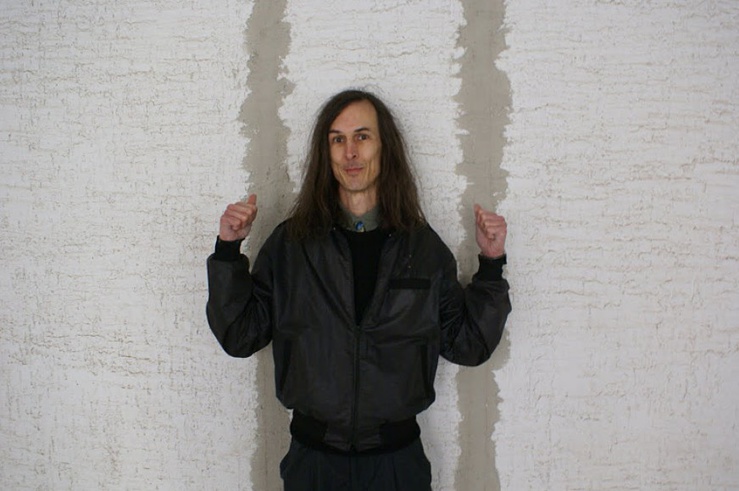
The library’s unique collection was the brainchild of the American bookseller Wyman Brent, 49. He is neither Jewish nor has any familial ties to Lithuania. He is simply a lover of literature, who, seven years ago, came across a book from American writer Harry Kemelman’s Rabbi Small series in a bookshop in his home town of San Diego, California. The novels follow the adventures of a religious detective and were very popular in the 1960s and 70s. From there, his interest and his collection of books, films and memorabilia grew until he realised that he had to do something with it. The idea for the library was born.
0aa185c9d4feb4351047e245fa00771d

Having first come to Vilnius on his travels in 1994 and fallen in love with its winding, cobbled streets, gothic cathedrals and rich Jewish heritage, Brent knew the library belonged here. In 2008 Wyman shipped his collection to Vilnius – about 4, 000 items in all – and started to look for somewhere to put it. ‘This new library can work out either way,’ says Olya Lempert, a translator and a library bibliographer who attended the only Jewish school in Vilnius. ‘It will either be a silly assortment of all sorts of stuff, or it can accidentally compile itself into a nice collection.’

The ministry of culture has given the library a part of a building on Gediminas Avenue, the main boulevard in Vilnius, and a grant of 700, 000 litas (about 200, 000 euros or 166, 813 pounds). Wyman, who has spent 50, 000 dollars of his own money on the collection, will become an ambassador-at-large for the library and will invite individuals and institutions to donate books. ‘For Lithuania’s future it is extremely important to be conscious of being part of a rich and diverse tradition of European culture,’ says Arunas Gelunas, the minister of culture. ‘This project will restore a part of the colourful mosaic of Vilnius. That helps us perceive the cultural heritage of our country in its full scope.’

Jews in Vilnius

Around 5, 000 Jews live in Lithuania (around 0.1% of the population) out of the 220, 000 or so who lived here before the second world war. Vilnius was a cultural hub of Kewish art and culture. Jews lived more or less in peace with their Lithuanian, Russian and Polish neighbours. Today, there is just a fraction left of Lithuania’s rich Jewish heritage (and hardly anything left of the many Jewish libraries that were functioning before the shoah). The Vilna gaon Jewishstatemuseum and its affiliate, the tolerance centre, work hard to educate Lithuania about the painful history of the holocaust, the full knowledge of which was largely blocked by the soviet union until Lithuania became independent (for the third time in its history) in 1990. Although many misconceptions remain between the Lithuanian and Jewish communities to this day, this year has been named the official ‘year of remembrance for the victims of the holocaust in Lithuania’. As Rachelė Kostanian, head of the holocaust exhibition at the Jewish museum says, there has been a noticeable change in society in the last few years. ‘The holocaust has entered into people’s consciousness a little more.’

Jewish life is quite minimal in Vilnius as there are so few of them left, and revolves mostly around the jewish community centre. Located in a lovely, grand old buidling which was formerly a Hebrew ‘tarbut’ school, here members of the community gather to learn Yiddish, a nearly forgotten language which was widely spoken before the war. The centre also organises dance evenings and trips to the countryside for young school children. Youth group organiser Valentin comes from a mixed family – his father is Jewish while his mother is Russian. Yet he strongly identifies with his Jewish background, to the extent that he has designed his own tattoo of the hamsa hand (a popular jewish symbol of good luck) on his forearm and shows it off proudly.

General support

Valentin is not a fan of libraries, but is pleased about the new opening and promises to look in. Likewise the wider Jewish community supports the new library, though some harbour concerns that this new project might be manipulated by the government, either through dictating what will be in its collection or through using it to show the western world that Lithuania is doing something about its lost heritage. ‘Just because a Jewish lady has written a book about gardening doesn’t mean it adds anything to Jewish culture,’ remarks the head librarian of the Jewish museum library, Rosa Levitaite. ‘It’s more of a foreign languages library.’ Wyman doesn’t dispute that fact. He hopes to attract people who also wish to learn other languages and would like to watch films (such as 1953’s The War of the Worlds, which qualifies because its star Gene Barry is of Jewish origin) and attend talks. ‘This library is not just for the Jewish community, it is for everyone. I want people to know about what Jews have contributed to the world.’

Is there even much demand for Jewish culture among Lithuanians? ‘The library has something that could be intriguing for young people, especially if they hold events, exhibitions or meetings with interesting people,’ says Teklė Kavtaradzė, a script-writing student. Olya Lempert will go to see what Brent has gathered. ‘Hopefully it will attract some positive attention and visitors will want to investigate further,’ she says. That is the point. Wyman promises to promote all Jewish cultural institutions in the library and hopes that people will make positive connections, like he did all those years ago when he picked up the Rabbi Small book. ‘I read that book and look at me seven years later. You never know what people might find in the library for themselves.’

AUTHOR Sonia Zhuravlyova

Leave a Reply

Your email address will not be published. Required fields are marked *